In recent years, the exponential growth of environmental challenges has necessitated the development and implementation of innovative solutions designed to promote sustainability and preserve the planet for future generations. These innovative approaches leverage technology, community involvement, and interdisciplinary collaboration to mitigate the adverse effects of human activity on the environment. Here, we explore some of the groundbreaking strategies that are being employed worldwide to tackle these challenges.
Technological Innovations
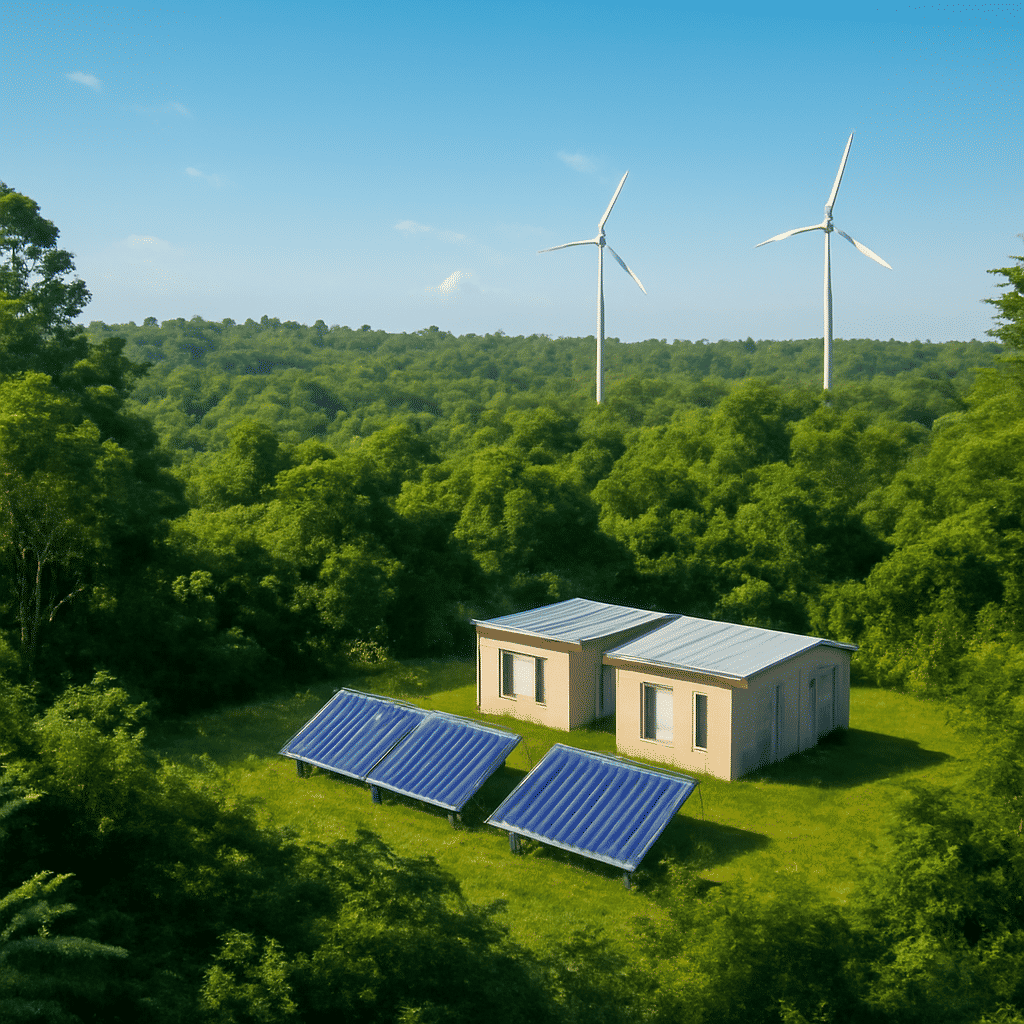
1. Renewable Energy: The shift from fossil fuels to renewable energy sources such as solar, wind, and hydroelectric power is a cornerstone of sustainable development. Advances in technology have made these energy sources more efficient and affordable. Solar panels, for instance, are now more accessible to households and businesses, contributing to a reduction in greenhouse gas emissions and fostering energy independence.
2. Smart Grids: Smart grid technology represents a modernization of the traditional electricity grid, incorporating digital technology to monitor and manage the transport of electricity from all generation sources to meet the varying electricity demands of end-users. This enhances energy efficiency, reduces operational costs, and integrates renewable energies more effectively.
3. Carbon Capture and Storage (CCS): CCS is a promising technology that captures carbon dioxide emissions from sources like power plants and industrial processes, and stores it underground to prevent it from entering the atmosphere. This approach has the potential to significantly reduce the carbon footprint of fossil fuel-dependent industries.
Community and Policy Initiatives
4. Urban Green Spaces: Cities worldwide are creating urban green spaces and parks to enhance biodiversity, improve air quality, and provide recreational areas for residents. These green spaces help absorb carbon dioxide, reduce heat, and mitigate the urban heat island effect, making cities more resilient to climate change.
5. Circular Economy: A circular economy focuses on designing products for reuse, repair, and recycling to minimize waste and make the most out of available resources. By encouraging sustainable production and consumption patterns, this model helps reduce the environmental impact of industrial and consumer activities.
6. Environmental Education and Awareness: Educating the public about environmental issues and sustainable practices is crucial for driving change. Programs aimed at increasing awareness and knowledge can empower individuals and communities to make informed decisions that positively impact the environment.
Interdisciplinary Collaboration
7. Nature-Based Solutions: Nature-based solutions involve using natural processes to address environmental challenges. For example, restoring wetlands can help manage flood risks, while reforestation efforts can combat desertification and sequester carbon dioxide. These solutions often provide multiple benefits, including biodiversity conservation and enhanced ecosystem services.
8. Eco-Innovation Clusters: Eco-innovation clusters bring together businesses, research institutions, and government bodies to collaboratively develop and promote sustainable technologies and practices. These clusters foster innovation and facilitate the transfer of knowledge and resources, driving collective action toward environmental sustainability.
Conclusion
The path to resolving environmental challenges lies in embracing a multifaceted approach that combines technological innovation, community involvement, and interdisciplinary collaboration. By prioritizing sustainability, we can not only mitigate the impacts of environmental degradation but also create a more equitable and resilient world. As we continue to develop and implement these innovative solutions, the opportunities for creating a sustainable future become ever more achievable.